Some procedures after setting up a company in Canada
The establishment of a company in Canada marks an important milestone in the investor’s business journey. However, in order for businesses to operate effectively, it is necessary to fully implement post-establishment procedures. Viet An Law would like to guide you through some of the following procedures for establishing a company in Canada through the article below.
Table of contents
Hide
Apply for a Business Number after setting up a company in Canada
Once your company has been incorporated, one of the important procedures to go through is to get a Business Number (BN). This is a unique nine-digit number issued by the Canada Revenue Agency (CRA). BN serves as a basic identifier for your business when dealing with the federal government, especially in tax-related matters. A Business Number (BN) is necessary to manage the various tax accounts that your company may have to register, including:
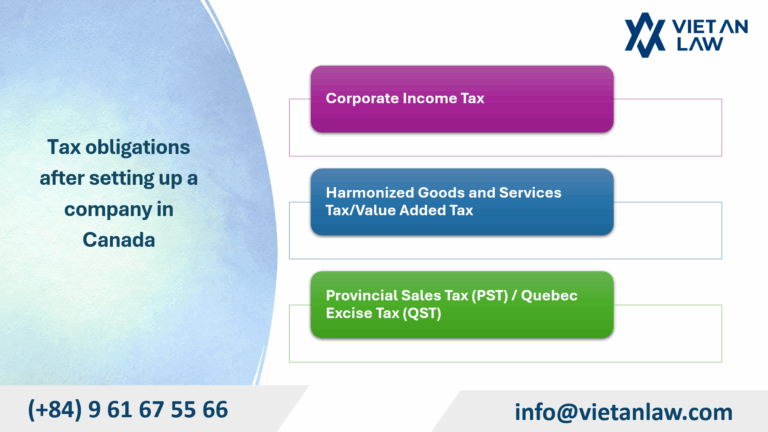
Goods and Services Tax/Harmonized Sales Tax (GST/HST): If your business is subject to GST/HST collection or voluntary collection (usually when revenue exceeds a certain threshold), you will need to register for a GST/HST account under your BN number.
Payroll Deductions: If your company plans to hire employees, you’ll need to sign up for a payroll deduction account to submit deductions such as income tax, Employment Insurance (EI), and Canada Pension Plan (CPP) to the CRA.
Corporation Income Tax: For incorporated companies, it is mandatory to register a corporate income tax account under the BN amount to pay annual income tax.
Import/Export Accounts: If your business imports or exports goods, you may need to register an import/export account linked to your BN number.
Instructions for obtaining a Business Number
During the process of establishing a company, you can register with BN at the same time as submitting the incorporation documents. This process is usually integrated into the application form or through an online portal. If you did not register for BN during the incorporation process, you can apply later through the CRA.
Online: You go to the CRA website and find the Business Number registration section.
By Mail: You can download the BN application form from the CRA website, fill it out, and mail it.
Tax Return: An annual T2 – Corporation Income Tax Return must be filed with the Canada Revenue Agency (CRA), even if the company has no income or is at a loss. This return includes both federal and provincial/territorial taxes (except for Quebec and some parts of Alberta which has its own system).
Deadline for filing T2 returns: 6 months after the end of the company’s fiscal year.
Tax Deadline: Typically 2 months after the end of the fiscal year (maybe 3 months for some eligible CCPC private companies).
Tax rate: Depends on many factors (federal, provincial, income type). CCPC companies with business income may be eligible for the Small Business Deduction (SBD), which significantly reduces the tax rate on the first portion of income.
Harmonized Goods and Services Tax/Value Added Tax
Registration is required if the total taxable revenue exceeds CAD 30,000 in 4 consecutive quarters. GST (5%) or HST (provincial combined rate) on most products and services sold in Canada.
If you sell taxable goods or services in the provinces of British Columbia, Saskatchewan, Manitoba (PST) or Quebec (QST). You are obliged to register, collect, remit and declare these taxes separately from the tax authorities of that province.
Fast & Reliable Legal Assistance
Fill out the form below and get connected with a lawyer quickly.
Landscape company establishment business lines in Vietnam: Complete guide on required business codes, conditions, procedures, and registration steps for 2025.
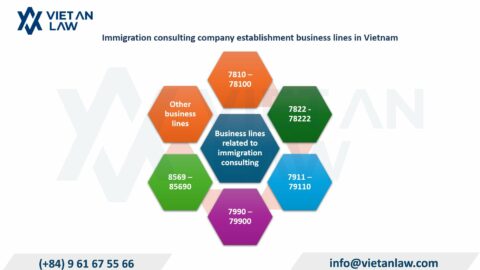
Immigration consulting company establishment business lines in Vietnam explained. Complete guide to required licenses, registration procedures, and legal business codes for 2025.
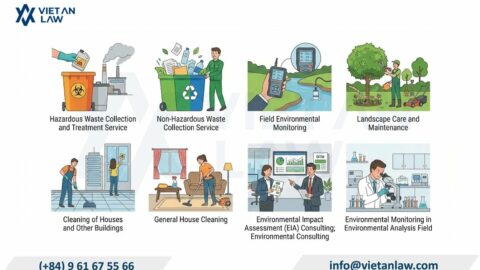
Environmental company establishment business lines in Vietnam 2025. Complete guide to waste management, wastewater treatment, and environmental services registration procedures.
E-commerce business registration business lines in Vietnam explained. Complete guide covering legal requirements, business line codes, conditions, and procedures for 2025.
Employment service business registration business lines in Vietnam explained. Complete guide covering conditions, license requirements, and registration procedures for 2025.